
Accutane and Diarrhea: What to Know
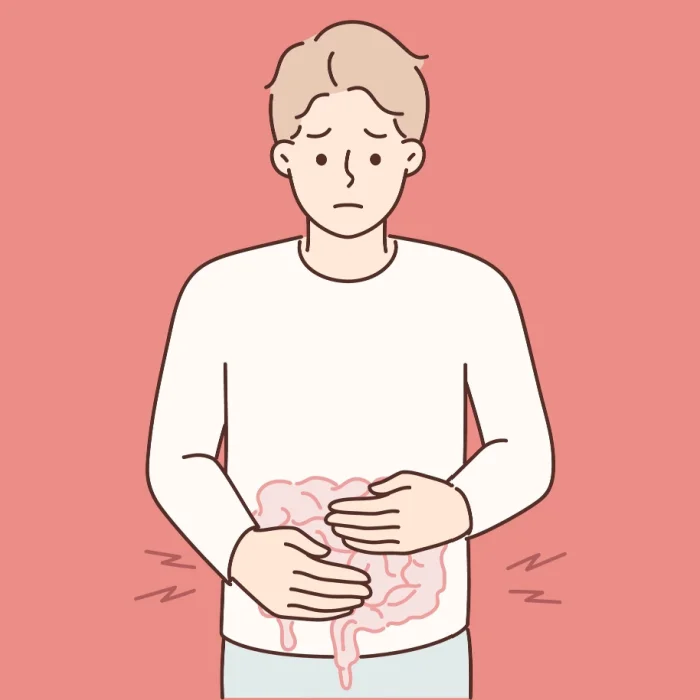
Accutane and diarrhea can occur because isotretinoin is a recognized cause of stomach-related side effects, including diarrhea, stomach pain, heartburn, rectal bleeding, and trouble swallowing. It is not one of the most common isotretinoin problems, but it matters because severe abdominal pain, nausea or vomiting, or bloody diarrhea can signal a more serious complication that needs prompt medical review.
Most cases are not automatically indicative of inflammatory bowel disease or severe colitis, so the safest first step is to consider the full symptom pattern rather than guessing.
Can You Get Botox While on Accutane Safely or Not?
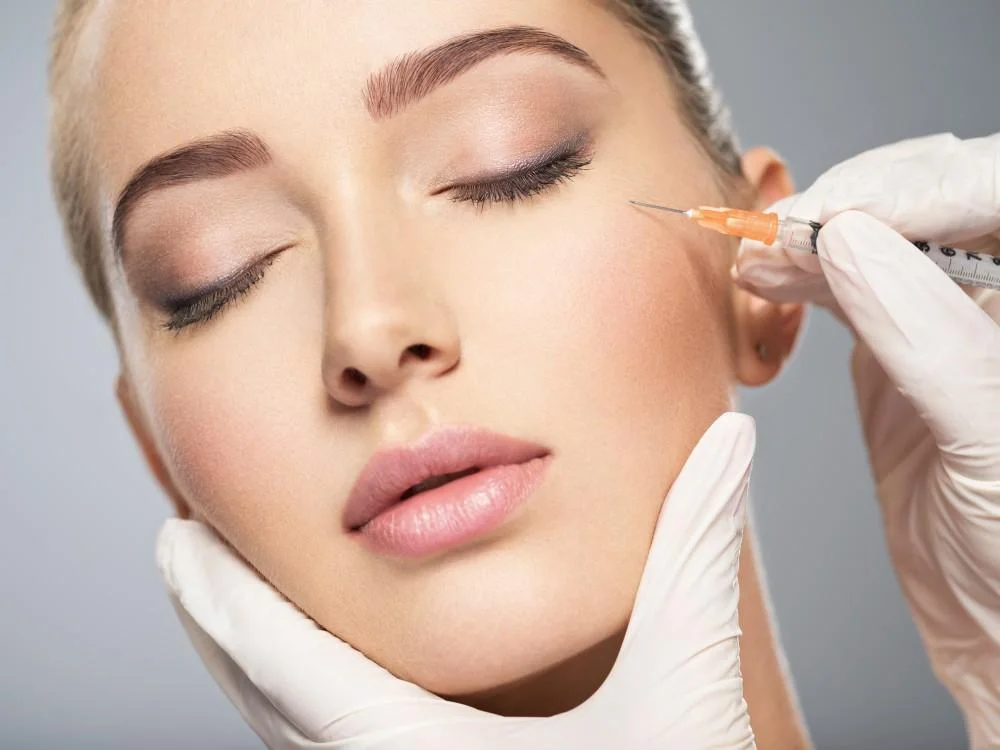
Yes, in many cases, Botox can be done while taking isotretinoin, but safety depends on your skin’s condition at the time. There is no known drug interaction between the two, and Botox does not affect the skin’s surface in the same way as procedures such as lasers or chemical peels.
The decision about Accutane and Botox is based on how your skin responds to treatment rather than on a fixed rule. If the skin is very dry, irritated, or sensitive, some clinicians may suggest waiting until it stabilizes or until treatment ends.
Accutane And Blurred Vision: What To Expect
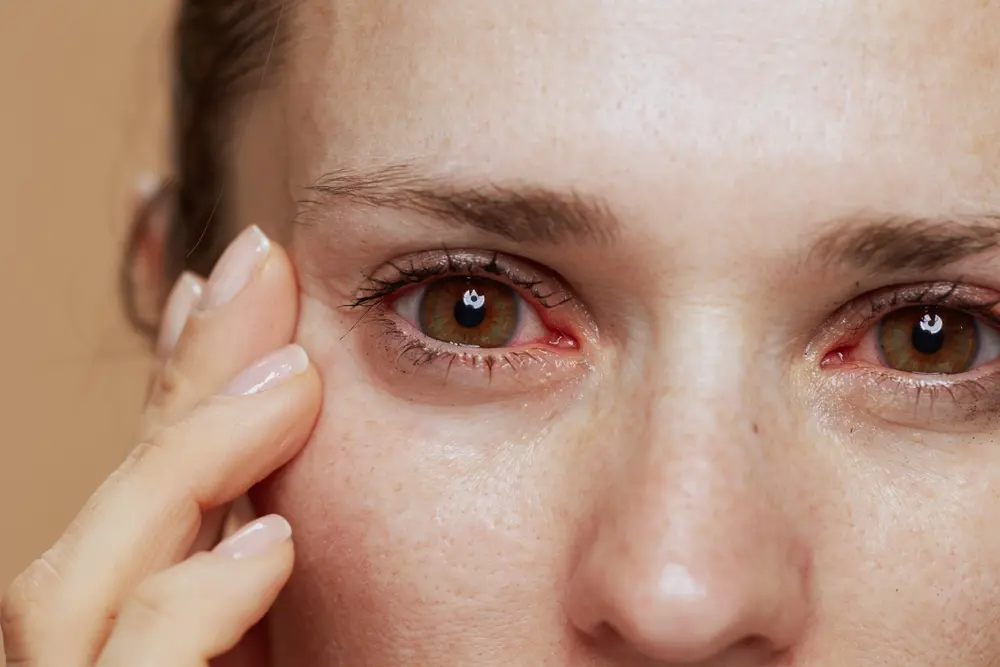
Accutane can cause blurred vision, most often due to dry eye that develops as the medication reduces oil production in the glands that support the tear film. Accutane and blurred vision are closely linked because unstable tears lead to surface irritation, light sensitivity, and fluctuating visual clarity throughout the day.
Most of these effects improve after treatment ends, especially when symptoms are recognized early and managed with supportive care. However, severity varies, and a small number of patients may experience longer-lasting changes or uncommon complications that require medical evaluation.
Accutane and Abdominal Pain: What It Means and When to Worry

Accutane can cause abdominal pain, and while it is often mild and temporary, it can sometimes indicate a more serious condition.
In most cases, the discomfort is related to digestive irritation during treatment. However, severe or persistent pain may be linked to complications such as pancreatitis, liver issues, or, in rare cases, inflammatory bowel disease.
You should seek medical attention if the pain is intense, does not go away, or appears alongside warning signs like rectal bleeding, ongoing diarrhea, vomiting, or fever. Mild symptoms may improve as your body adjusts, but any new or worsening pain should be evaluated.
Epuris vs. Accutane: How These Isotretinoin Brands Compare
Epuris and Accutane are both brand names for isotretinoin, an oral acne medication used for severe or persistent acne. The main Epuris vs. Accutane difference is how each product is absorbed. Epuris is approximately 83% more bioavailable than Accutane under fasting conditions, while both products have similar absorption when taken with a high-fat meal.
Accutane Sexual Side Effects: What Patients Should Know

Accutane sexual side effects can happen in some patients, but they are not common compared to other reactions like dry skin. Reported symptoms include decreased libido, vaginal dryness, and problems such as erectile dysfunction. Some patients also report changes, including erectile dysfunction during treatment, although this is uncommon. The evidence is limited and often comes from case reports rather than large clinical studies.
Accutane Contraception: What Patients Need to Know
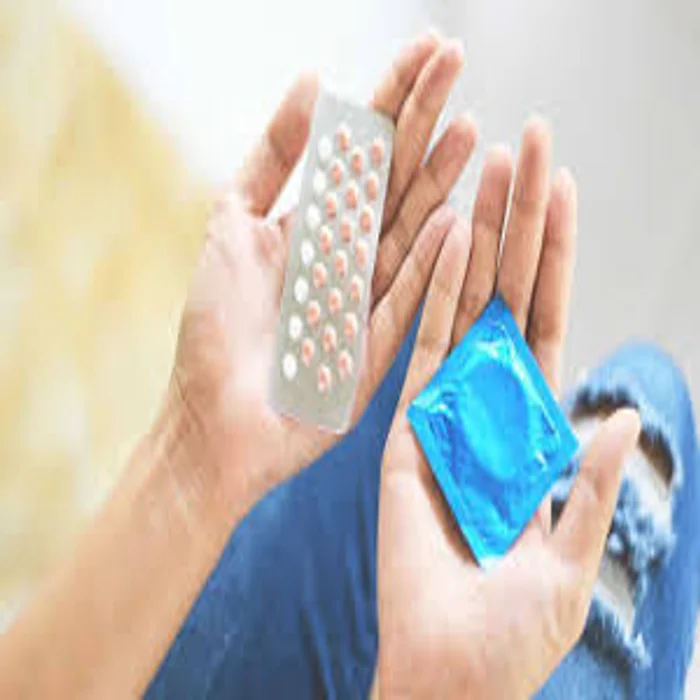
Accutane contraception refers to the strict pregnancy prevention measures required when taking isotretinoin, a medication known to cause severe birth defects if exposure occurs during pregnancy. Patients who can become pregnant must use two effective forms of birth control at the same time, starting at least one month before treatment, continuing during treatment, and for 1 month after stopping.
This approach reduces the risk of unintended pregnancy during a period when even a small amount of the drug can affect fetal development.
Can I Use Pimple Patches on Accutane? Risks and Safe Use
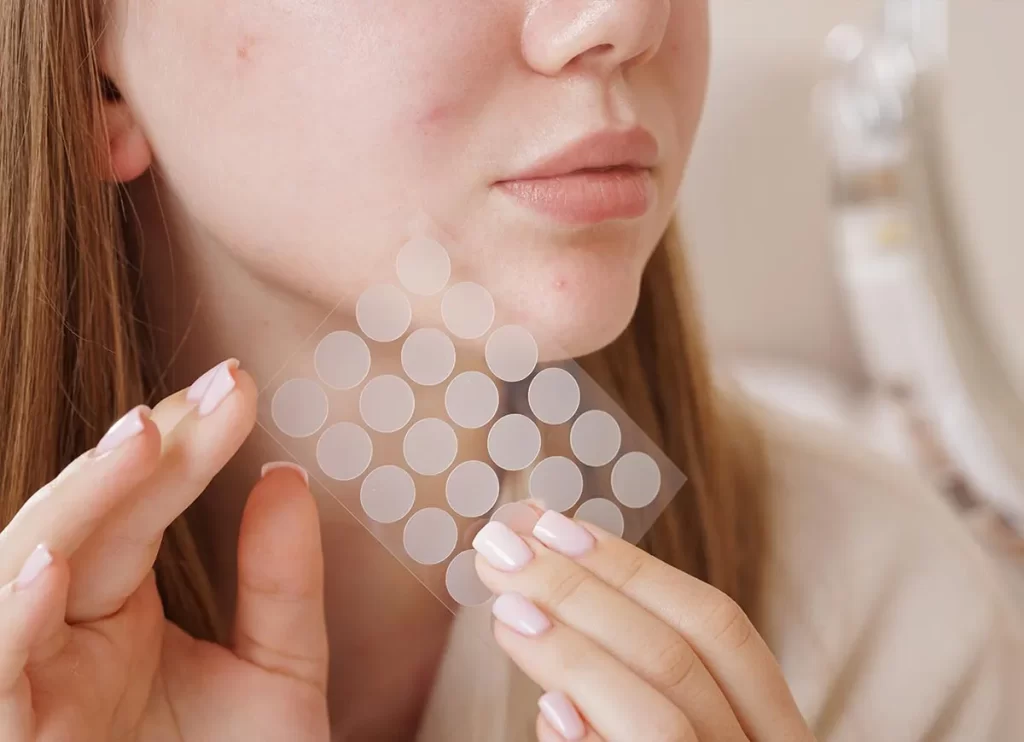
Yes, you may be able to use plain hydrocolloid pimple patches on Accutane, but they are generally not recommended unless your skin is intact and your dermatologist agrees. If you are wondering, “Can I use pimple patches on Accutane?” the safest answer is to use them with caution, as isotretinoin can make skin drier, more fragile, and slower to tolerate irritation.
Accutane Purge: Timeline, Causes, and What to Expect
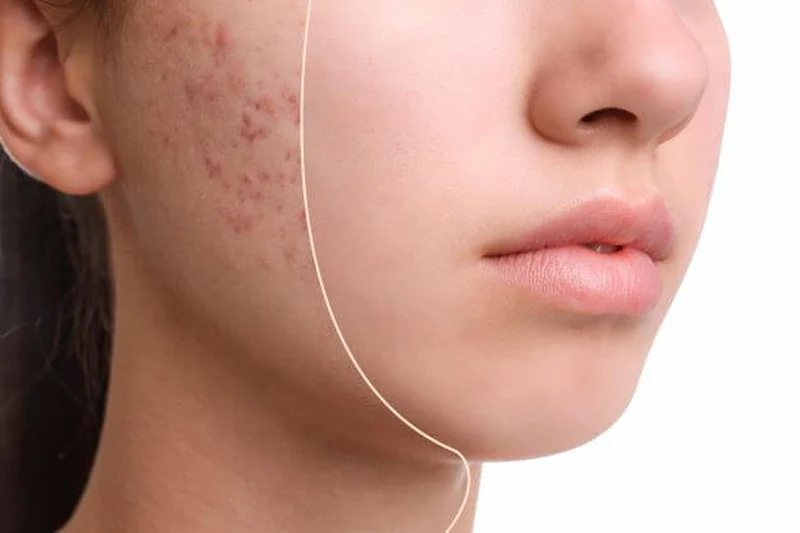
An Accutane purge is a temporary worsening of acne that can occur early in this treatment as the medication increases skin cell turnover and brings clogged pores to the surface. This phase often begins within the first 4 to 6 weeks and may last several weeks, sometimes extending into the first one to two months, depending on the individual.