
Accutane Sunburn: Causes, Treatment, and Prevention
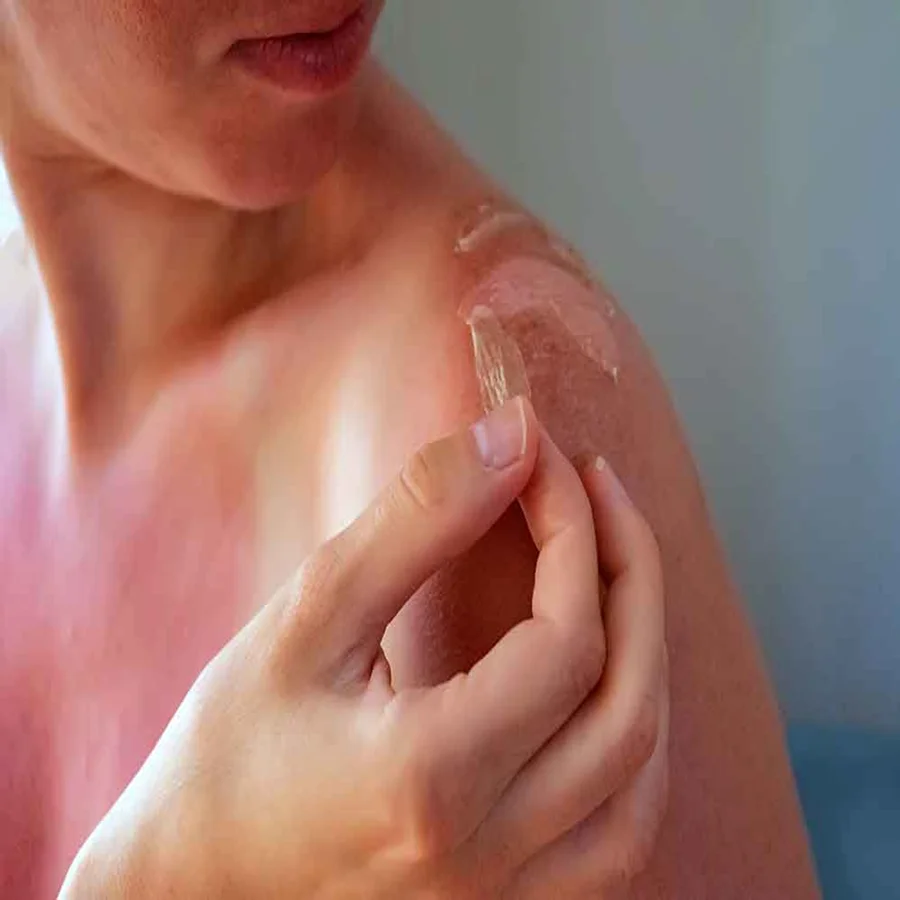
Accutane sunburn occurs because isotretinoin increases the skin’s sensitivity to UV light, making burns develop faster and feel more intense than usual. The medication reduces oil production and alters the skin’s outer layer, weakening its natural protection and allowing UV damage to occur more quickly.
Managing this reaction involves both treatment and prevention. Mild cases often improve with cooling, hydration, and gentle skin care, while more severe burns may require medical evaluation to prevent complications such as infection or pigmentation changes.
Does Accutane Cause Fatigue and Why Does It Happen?

Yes, Accutane can cause fatigue in some patients, although it does not affect everyone. Studies suggest this side effect occurs in a minority of users, often linked to the body adjusting to the medication and to related symptoms such as muscle pain, dry eyes, or changes in sleep.
Fatigue during treatment is usually mild and temporary. It may result from combined effects on metabolism, the central nervous system, and physical symptoms like joint discomfort. In most cases, energy levels improve as the body adapts or after treatment ends, and persistent or severe fatigue is uncommon but should be evaluated.
How to Manage Accutane Dry Skin Without Irritation
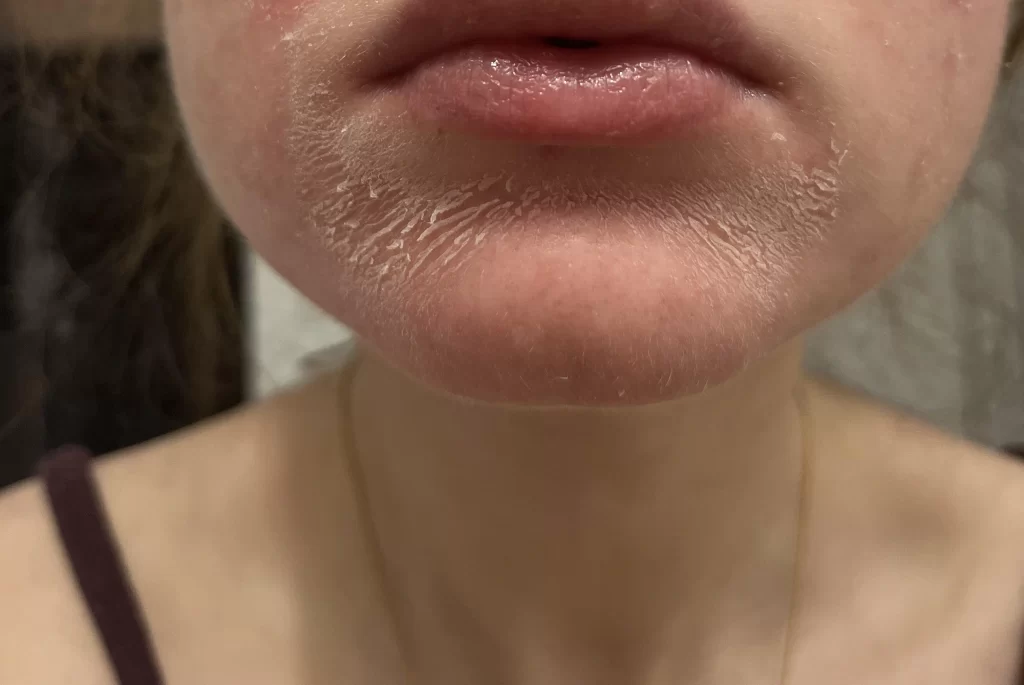
Managing Accutane dry skin safely requires a simple, consistent routine that protects the skin barrier while oil production is reduced. Use a gentle, fragrance-free cleanser, apply a thick moisturizer to slightly damp skin, and reapply lip balm or occlusive products often to prevent chapped lips.
Dryness can affect the face, lips, and other areas because the medication shrinks oil glands; therefore, supportive care should be applied daily to multiple areas. These steps help reduce discomfort without interfering with how the treatment works.
Accutane Dry Lips: Causes, Treatment, and Relief
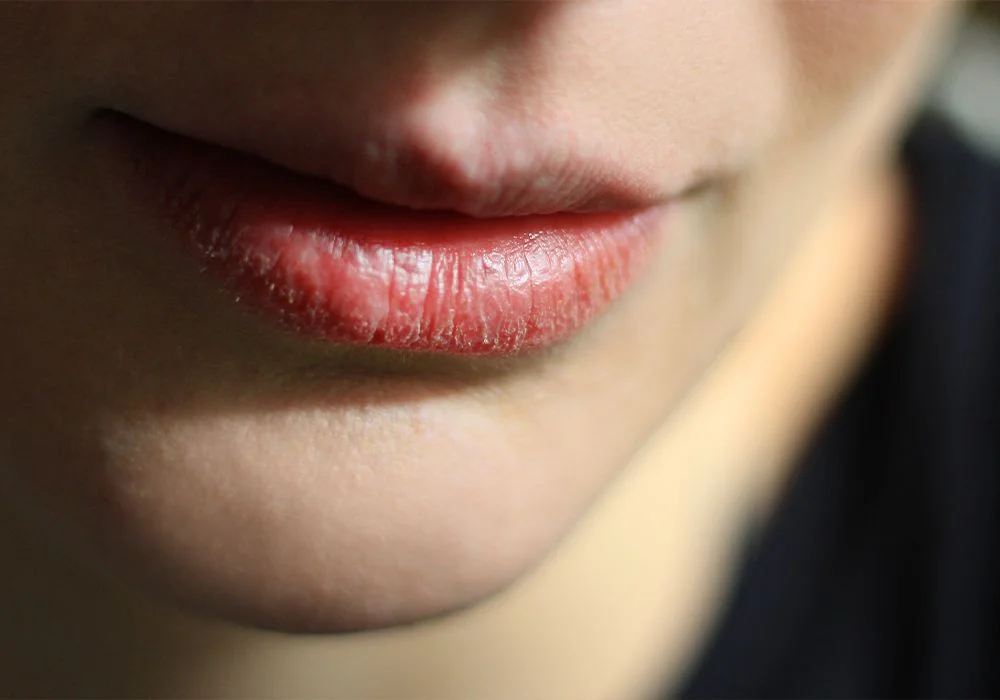
Accutane dry lips occur because isotretinoin reduces oil production in the skin, including the lips, thereby weakening the skin’s protective barrier and allowing moisture to escape. Lips are especially affected because they have fewer oil glands and are constantly exposed to environmental stress.
Relief focuses on protecting the skin barrier and preventing water loss. Regular use of thick, occlusive ointments such as petroleum jelly helps seal in moisture, while avoiding irritating ingredients reduces further damage.
In more severe cases, short-term medicated lip treatments may be used under guidance. This side effect is expected and typically improves after treatment ends as oil production gradually returns to normal.
Can Accutane Shrink Your Nose or Change Its Shape
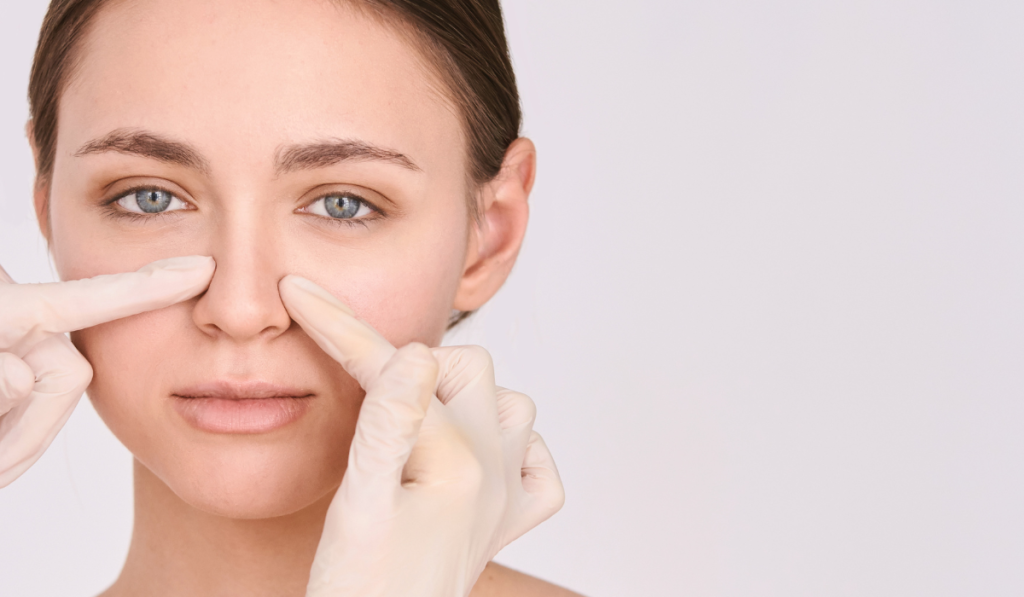
Accutane, also known as isotretinoin, does not change the actual size or shape of the nose. It does not affect bone or cartilage, which determine nasal structure. In clinical terms, can Accutane shrink your nose?
No, but it can make the nose appear slimmer or more defined by reducing oil production, shrinking sebaceous glands, and lowering inflammation in the skin.
Can Accutane Cause Psychosis? Facts and Next Steps

Accutane and psychosis can be linked in rare cases. Learn the symptoms, current evidence, and when urgent psychiatric care is needed.
Does Accutane Always Work for Acne? What to Know
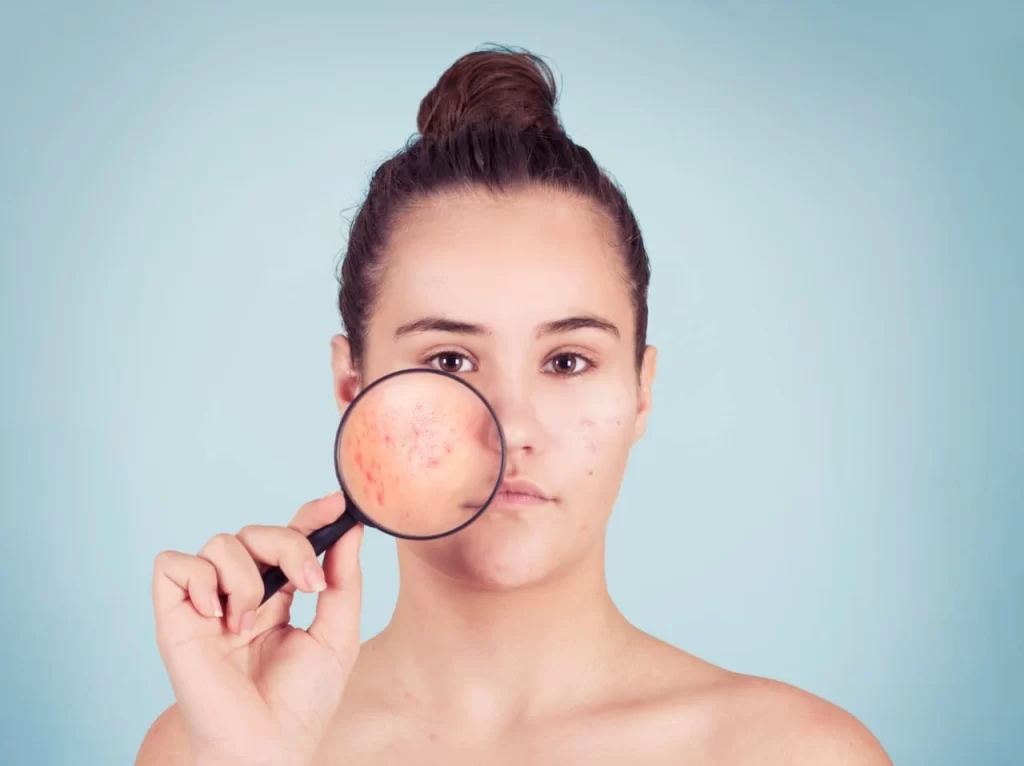
Does Accutane always work for acne? Learn why results vary, how long treatment takes, and what affects long-term improvement.
Accutane And Hemorrhoids: Causes, Symptoms, And Relief
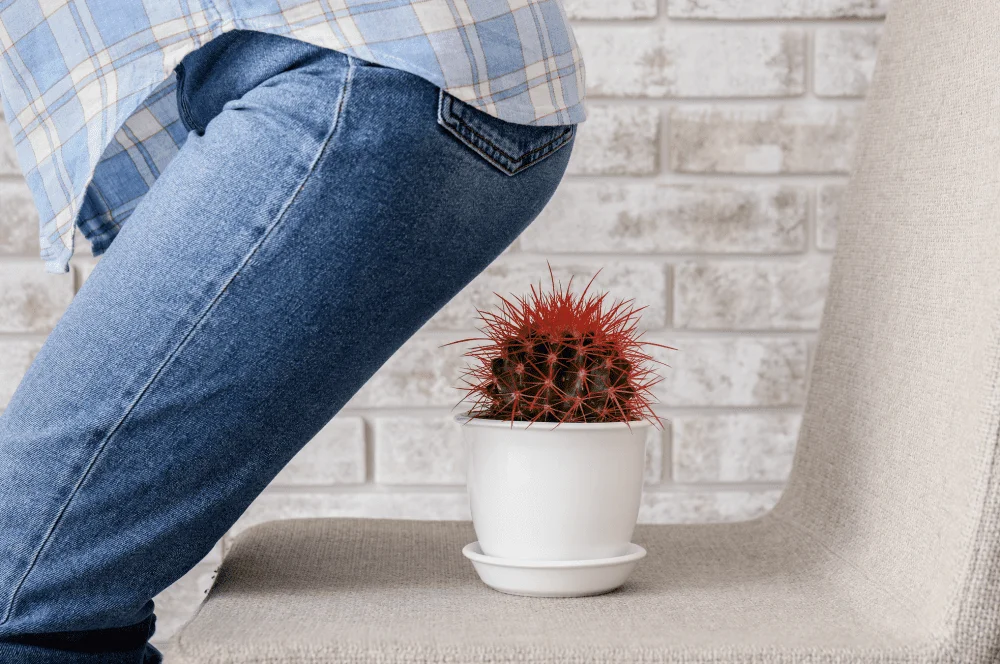
Understand Accutane and hemorrhoids and how to reduce irritation with simple habits like hydration, fiber intake, and gentle care during treatment.
Accutane Breakout: Why It Happens and What to Expect
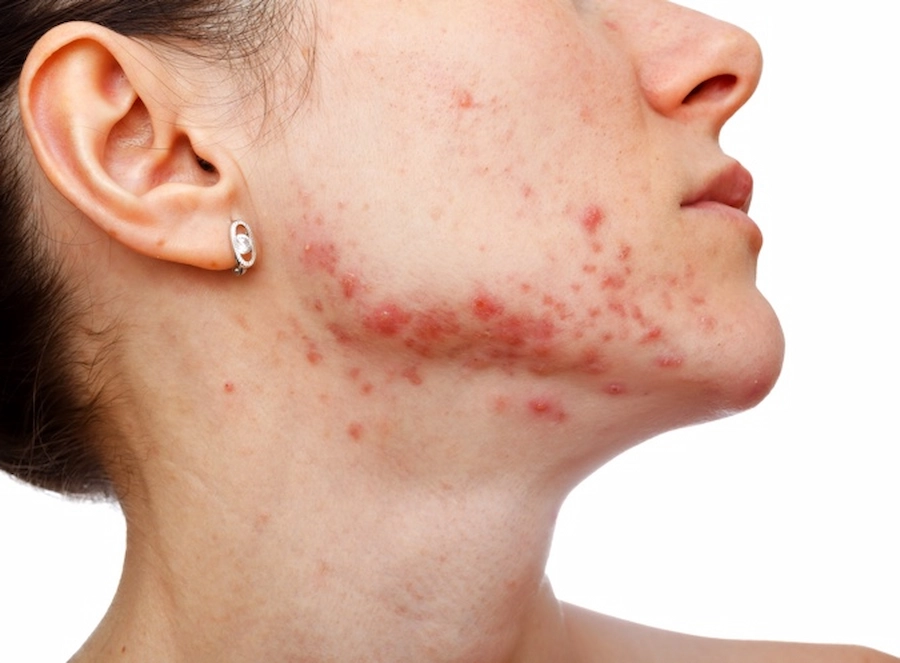
An Accutane breakout is a temporary worsening of acne that can occur after starting isotretinoin, usually within the first 1 to 6 weeks of treatment. This happens because the medication increases skin cell turnover and reduces oil production, which brings existing clogged pores to the surface more quickly.